
Mental Stimulation Activities That Stick
Practical cognitive activities from puzzles to learning new skills. We've included ideas that are genuinely enjoyable, not just "good for your brain."

Why Mental Engagement Matters
Your brain doesn't stop growing just because you've hit 50 or 60. In fact, it thrives on new challenges and activities that require focus. The activities we'll cover here aren't gimmicks—they're practical ways to keep your mind sharp, engaged, and honestly, entertained.
You might be caring for an older relative, or you're looking to strengthen your own cognitive health. Either way, the goal is simple: find activities you'll actually want to do regularly, not ones that feel like homework.

Activities That Keep You Engaged
Mix and match these based on what appeals to you. The best activity is the one you'll actually do.
Word Games & Puzzles
Crosswords, Wordle, Scrabble, and word searches aren't just time-fillers. They strengthen vocabulary recall and pattern recognition. Start with easier puzzles and gradually increase difficulty. Most people notice they're completing them faster after 3-4 weeks of regular practice.
- Daily crosswords (10-15 minutes)
- Word search books from the newsagent
- Online word games (Wordle, Spelling Bee)
- Scrabble with family or friends


Strategy Games
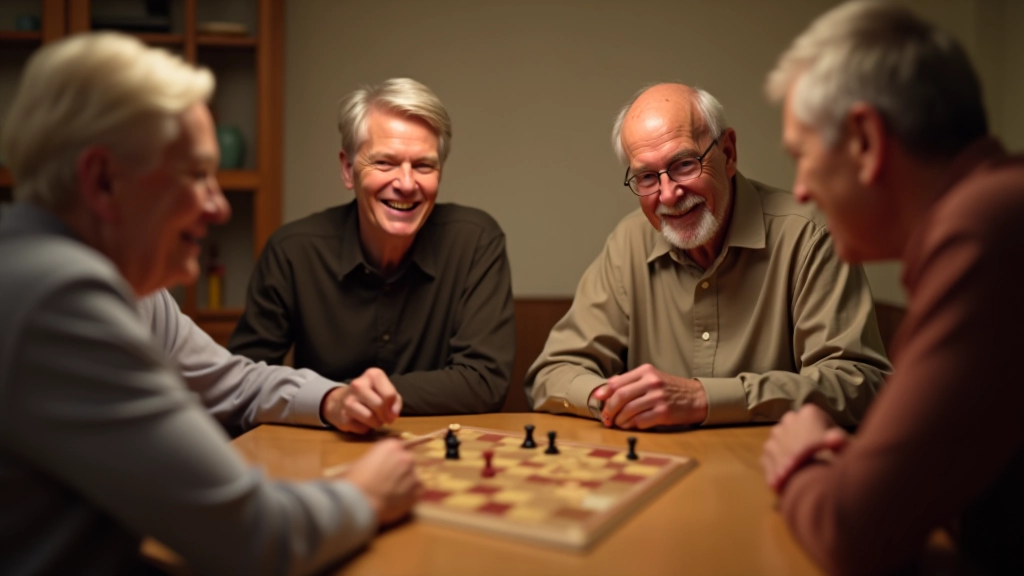
Chess, checkers, and card games demand forward-thinking and memory. You're not just playing—you're planning moves ahead, remembering patterns, and adapting strategy. Even casual play trains your brain. Playing once or twice a week with friends combines cognitive work with social connection, which is bonus benefit.
- Chess (online or in-person)
- Bridge or other card games
- Checkers
- Sudoku puzzles
Learning Something New
This might sound ambitious, but it's genuinely one of the best cognitive exercises. Learning a language, instrument, or skill forces your brain to create new neural pathways. You don't need to become fluent in Italian or master the piano—the learning process itself is the benefit. Many people start with just 20-30 minutes a day online or through local classes.
- Language apps (Duolingo, Babbel)
- Online courses (Coursera, YouTube tutorials)
- Musical instrument lessons
- Photography or art classes

Going Deeper: Building a Routine
The real power isn't in any single activity—it's in consistency.
Start Small
Pick 2-3 activities you genuinely enjoy. If you hate crosswords, don't force them. You're much more likely to stick with something that feels rewarding, not like an obligation.
Schedule It
Brain training works best when it's regular. Even 30 minutes a day, 5 days a week, beats sporadic longer sessions. Morning or evening—whatever fits your schedule. Consistency matters more than duration.
Mix It Up
Don't stick to one activity. Your brain adapts quickly to familiar challenges. Rotating between word games, strategy games, and learning activities keeps things fresh and works different cognitive areas.
Include Social Time
Playing chess with a friend, joining a book club, or taking a group class gives you cognitive stimulation plus social connection. That's a win-win for brain health.
When Activities Don't Stick (And What To Do)
You've probably tried something before and stopped after a few weeks. That's normal. Here's what actually works:
Too hard, too fast? Start with easier versions. Beginner crosswords, not cryptic ones. Basic online lessons, not advanced. Your brain's more likely to keep going if it feels achievable rather than frustrating.
Feeling bored? You've probably mastered it faster than you think. Move to the next level or try something different entirely. Boredom means your brain's ready for a new challenge.
No time? Don't wait for a perfect 30-minute block. Even 10 minutes counts. A quick crossword with morning coffee or a few minutes on a language app during lunch adds up.
The goal isn't perfection. It's building activities into your routine that you'll actually return to, week after week.

The Real Benefit
Here's what happens when you stick with cognitive activities: your brain doesn't just stay sharp, it becomes more resilient. You'll notice you're remembering things better, solving problems faster, and feeling more engaged with daily life. That's not just good for your brain—it's good for your overall wellbeing and independence.
Whether you're doing this for yourself or supporting someone you care for, the message is the same: find activities that genuinely appeal to you, keep them simple, and do them regularly. Your brain will thank you.
Ready to Get Started?
Pick one activity from this guide and commit to trying it for 2 weeks. You might be surprised what sticks.
Explore More Care TopicsImportant Note
The activities and suggestions in this guide are for educational and informational purposes only. They're not medical advice, and they're not a substitute for professional evaluation if you're concerned about cognitive decline. If you or someone in your care is experiencing significant memory loss, confusion, or other cognitive concerns, it's important to speak with a GP or specialist. Every person's situation is different, and professional guidance is always the best starting point.
Related Articles